Have you noticed that most shopping centers don’t have solar panels?
Less than 10% of US shopping centers have solar in any form. For those that do, the panel installation is typically driven by a specific, progressive business that resides in the center, such as Target, Costco, or Whole Foods, and the system provides power just to that business.
The problem is that shopping center owners don’t have a financial incentive to invest in solar. Over time, solar can be a viable way to decrease energy costs; however, most shopping center owners are not tenants of the center, so they don’t pay the electricity bill.
If you own a shopping center, why would you invest over $1 million to install solar when you are not the one who receives the cost savings?
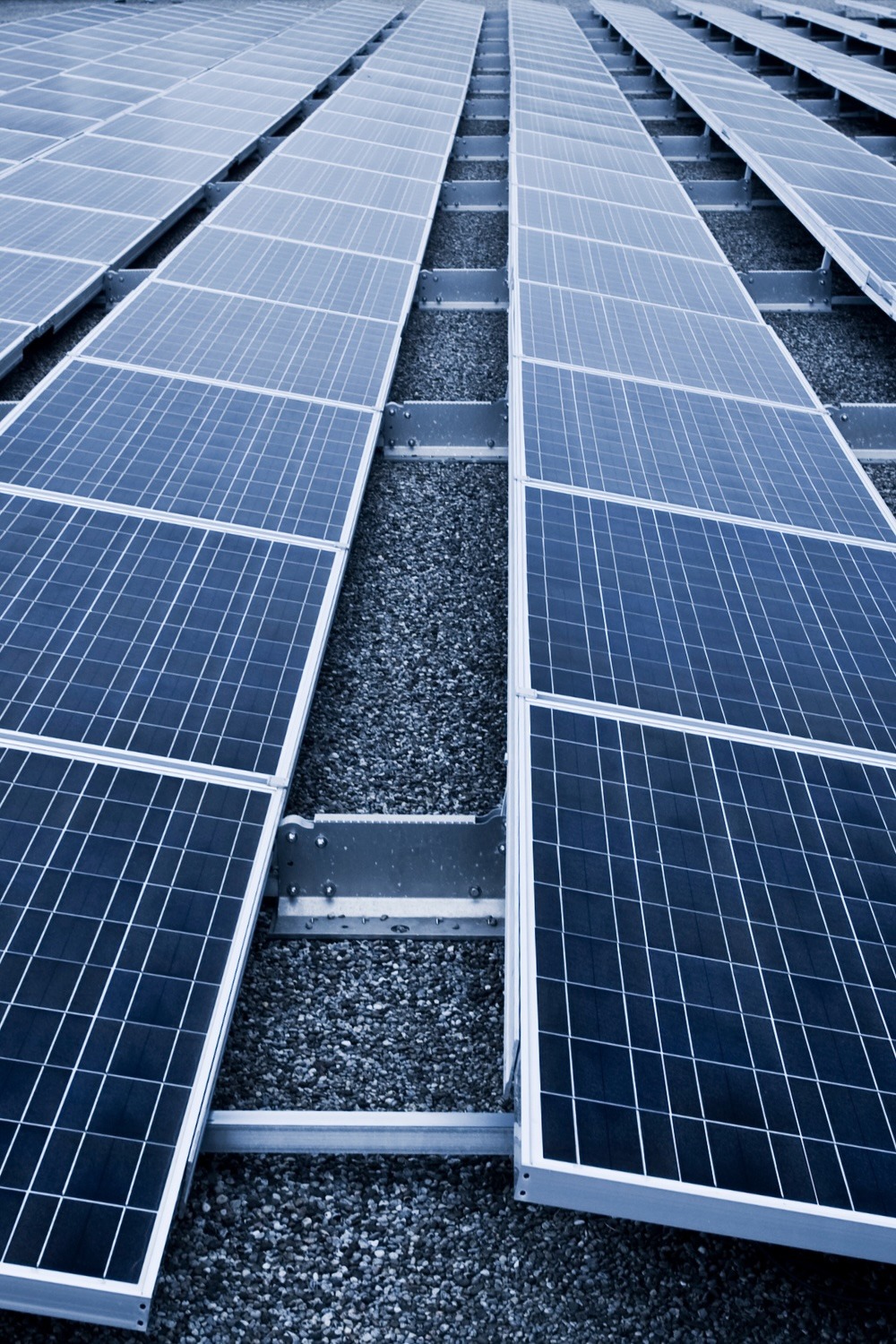
From a local energy generation standpoint, installing solar on flat, open rooftops at shopping centers is one of the simplest ways to rapidly speed the adoption of clean energy generation in local communities. That being said, under the current incentive structure, shopping center owners lack a financial reason to invest in solar.
Solar needs to make financial sense
Currently, a shopping center installing solar at scale requires one of the following:
- A property owner who will make a seven-figure investment, with no clear financial return.
- A tenant who is willing to invest in solar on a property that they do not own, where the solar asset may outlive the life of their lease.
Neither approach makes financial sense.

A new solution for commercial solar
The simplest way to speed the adoption of solar at shopping centers is to have a third party manage the solar program and provide financial value to everyone involved.
Imagine this:
- A solar program manager rents the open roof space and installs solar.
- The property owner now has a financial incentive, as they are receiving a new rental income stream.
- Property tenants consume the solar energy, at a cost savings compared to energy from the grid.
- The program manager makes a financial return over time due to the payments that tenants make for the energy they consume.
This model is possible if a third party funds and manages the program. When run correctly, this type of program is financially beneficial to the property owner, property tenants, and the manager of the programs.
Clean energy solutions scale when they make financial sense. With the right approach, shopping center roofs will become a reliable source of locally generated, clean energy and will increase the financial return for both shopping center owners and their tenants.